Station Eleven is a post-catastrophe story in which survival does not exhaust the definition of living. Food, shelter, and danger remain important, but the series also asks why people continue performing, remembering, and sharing stories. That question gives it a different emphasis from an adventure organized primarily around defeating the next threat. The world has been broken; the drama considers what people choose to carry through the break.
A world before and after
Adapted from Emily St. John Mandel's novel, the limited series moves among lives before and after a catastrophic flu pandemic. The movement through time is central to the experience. Information arrives through relationships and memories rather than through a single uninterrupted account of how society changed.
That structure can initially feel disorienting. A useful approach is to follow emotional connections before trying to arrange every event into a complete chronology. Notice who remembers whom, which encounters continue to matter, and what an object or performance means to the person holding it.
The catastrophe is not a neutral background. Illness, death, bereavement, and the disruption of ordinary life may be difficult subjects, particularly for viewers whose own experiences make a pandemic premise especially immediate. A recommendation should leave room for choosing a different moment to watch it.
Performance as a form of continuity
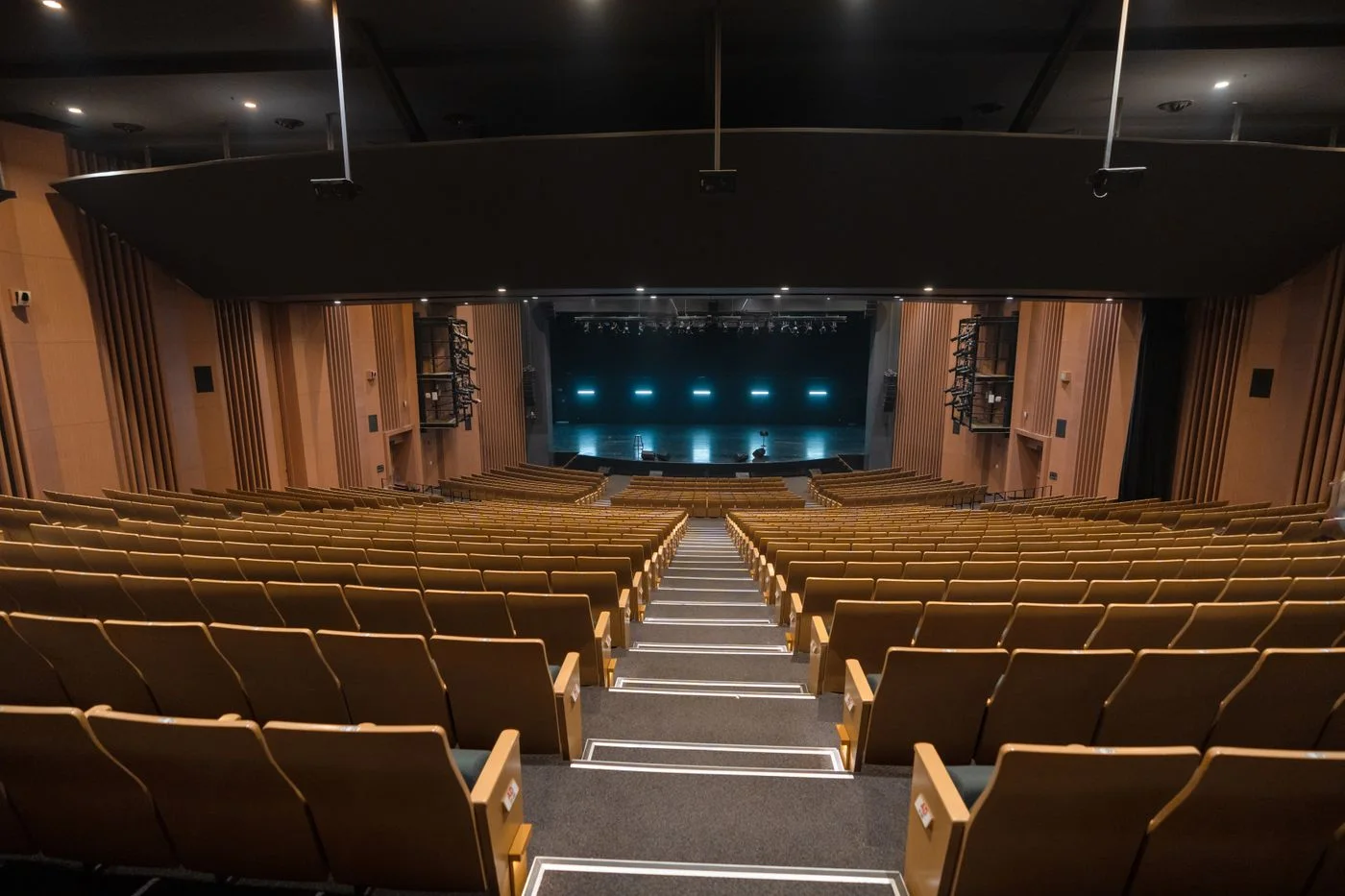
Theater gives the series a concrete way to examine shared culture. A performance requires cooperation, an audience, and an agreement to pay attention to something together. Those requirements remain meaningful even when the surrounding institutions have changed. Art is presented as an activity people do, not simply an object preserved on a shelf.
The interest lies partly in repetition. A familiar text can travel into circumstances its creators could not have anticipated. The words remain recognizable while the people using them bring different losses, expectations, and needs. Repeating a story may therefore create something new rather than merely reproduce the past.
This is a useful reason to recommend the series to viewers who enjoy fiction about artists but dislike the assumption that art matters only when it produces fame. Here, the scale can be local and provisional. Making something together can be valuable even when there is no industry available to certify its importance.
The series also leaves room for culture to be complicated. Stories can offer comfort, but they can become rigid or acquire authority beyond what they can justify. The question is not simply whether people should preserve the past. It is how to use what survives without allowing it to foreclose every possible future.
Memory does not move in a straight line
A chronological story can show what happened next. Station Eleven's arrangement asks what an earlier experience means now. A scene may gain emotional force because the viewer has already encountered its consequences, or a later moment may become more legible after the series returns to a previous relationship.
The form makes remembering active. Characters do not hold a complete, evenly weighted record of their lives. They return to particular people, images, and words. The audience has to perform a related act of selection, recognizing an echo without assuming every echo means exactly the same thing.
For some viewers, that approach will be more engaging than a conventional timeline. For others, it may interrupt momentum. The deciding question is whether you enjoy emotional understanding that arrives through accumulation. The series asks you to remain open to a scene before all of its context is available.
Connection without an easy restoration
Rebuilding is often described as a return to normal. This story makes that idea difficult, because the world after the catastrophe cannot simply reproduce the old arrangement. People must negotiate new relationships to authority, community, and the things they remember.
The most productive way to watch is to consider what each group treats as essential. A practical rule may offer safety while limiting freedom. A tradition may connect people while excluding someone. A personal memory may preserve affection while preventing a person from recognizing a change.
That gives the series a moral texture without making it a simple argument for optimism. There is room for care, danger, tenderness, and mistakes in the same landscape. A moment of connection does not erase what has been lost; it shows that loss does not account for everything that remains.
Choose Station Eleven when you want a speculative setting used for an intimate inquiry into human attachment. Its unusual structure and attention to art are central attractions, so viewers seeking a steadily escalating survival thriller should adjust their expectations accordingly.
The series is worth considering for the space it makes around survival: the effort to create meaning with other people, to remember without becoming immobile, and to build continuity from what cannot be recovered intact. Its emotional rewards depend less on learning the rules of a ruined world than on noticing the people trying to inhabit it.