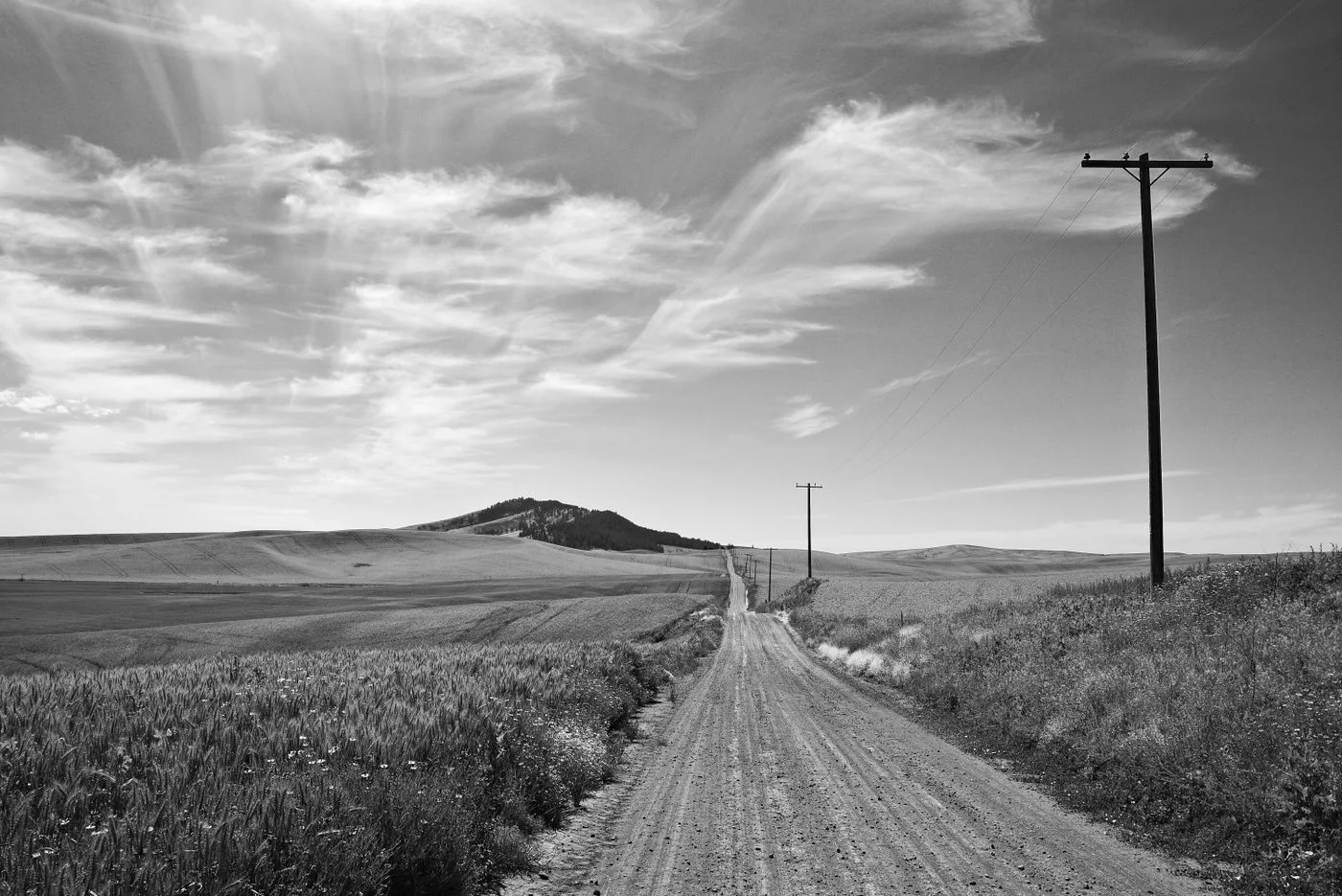
Reservation Dogs is an ensemble comedy whose most important unit is larger than its central group of friends. Elora Danan, Bear, Willie Jack, and Cheese live in rural Oklahoma, where the idea of leaving can be both an aspiration and a way of describing what feels missing. Yet the series keeps finding reasons to look at the people who remain. That wider attention is essential to its appeal.
Leaving is easier to imagine than to understand
The opening premise gives the teenagers a concrete ambition: getting away to California. It is a recognizable coming-of-age desire, but the show is interested in what that wish contains. Escape can mean opportunity, freedom from a painful association, or the belief that a different place will make a different self possible.
Their friendship is not a single shared opinion. People can agree on a destination while wanting it for different reasons. They can also struggle to explain those reasons to one another, especially when humor is an easier form of contact than a direct admission of hurt.
This gives the adolescent story an emotional depth beyond whether a plan succeeds. The question is what the group expects a change of place to solve, and what they might still carry with them.
The community gets to have its own stories
Co-created by Sterlin Harjo and Taika Waititi, the series centers Indigenous characters and a specific Oklahoma setting. Its interest in adults, elders, relatives, and neighbors keeps that setting from functioning merely as the place the teenagers need to outgrow.
The wider ensemble can challenge the friends' assumptions without becoming a collection of lessons delivered for their benefit. Older people have their own histories, mistakes, jokes, and unfinished relationships. A generational difference may produce confusion, but it can also reveal a connection that the teenagers did not know how to recognize.
That approach matters to a recommendation. Reservation Dogs is not a generalized explanation of Indigenous experience. It offers particular people and relationships, and its humor depends on allowing them to be complicated rather than exemplary. Viewers should meet that specificity with curiosity rather than expect a single representative account.
Comedy can sit beside loss
A funny exchange does not require the surrounding pain to disappear. The series can move between irreverence, ordinary embarrassment, tenderness, and grief without treating those registers as incompatible. That flexibility allows a joke to be a source of relief and a way of avoiding something at the same time.
If you are looking for an entirely light teen sitcom, the emotional subjects may be more substantial than expected. Bereavement and difficult family circumstances belong to the viewing decision. The tone can be warm, but warmth is not a guarantee of an easy scene.
The series is especially suited to viewers who enjoy a community taking shape through small encounters. A conversation on a road, a visit, or an apparently minor interruption can widen the story. The central friends matter, and so does the world that has helped make them who they are.
Try Reservation Dogs for the way its coming-of-age story continually looks outward. The desire to leave gives the friends momentum; the attention paid to the people around them gives that desire complexity. Its most rewarding question is what belonging can mean when it includes both affection and frustration.