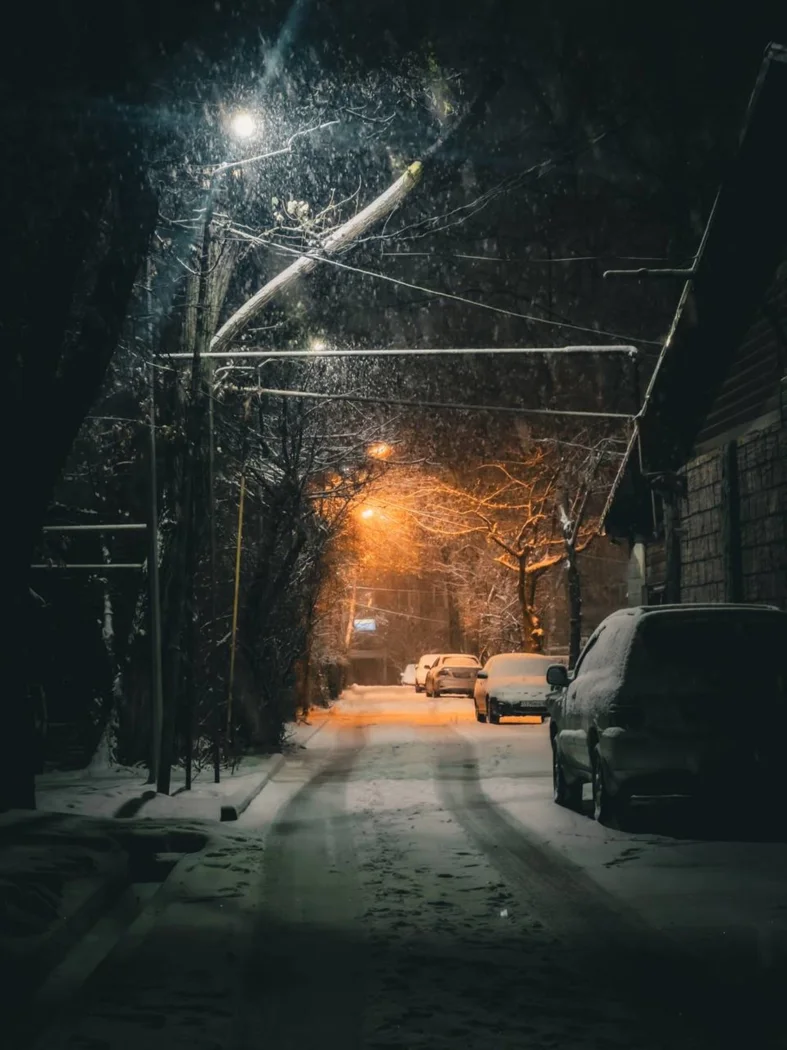
Snowbound crime drama offers an unusual tension: the world looks stripped of detail, yet every movement seems to leave a trace. A vehicle becomes conspicuous on an empty road. A journey that would be trivial in summer becomes a decision. For a viewer, the attraction may be visual stillness, physical isolation or the uncomfortable gap between ordinary manners and extraordinary violence. Decide which of those you want before choosing a series.
Start with the kind of cold you enjoy
Fargo is a useful reference because its different installments let you explore crime through changing characters and periods while returning to a recognizable mixture of menace and absurdity. For a first visit, the first season provides a straightforward introduction to that mixture. The fifth installment offers another distinct story; FX presents the seasons as separate installments rather than one continuously numbered case.
That flexibility does not mean the viewing experience is interchangeable. A dry comic exchange can make violence feel more startling, while an extended silence may make a routine journey feel dangerous. If you want solemn procedural realism throughout, test Fargo's tonal shifts early. The question is whether the humor sharpens the unease for you or interrupts it.
Watch how distance becomes an obstacle
In a strong wintry crime story, weather is part of the action's practical logic. Pay attention to how characters travel, how long help would take to arrive and whether a familiar road becomes unreadable. You do not need to keep a map. Simply notice when someone treats distance as an inconvenience and when another character treats it as a threat.
Isolation can also be social. A person may have a working phone and still lack anyone willing to answer honestly. The landscape then echoes a condition already present in the relationships. That is often more interesting than a story that merely closes a road so its plot cannot escape the location.
Look for texture rather than a postcard
A snowy exterior can encourage a drama to contrast public composure with private panic. Boots by a door, the labor of clearing a driveway or the pause before entering a warm room can establish routines that later acquire meaning. You can enjoy those details without predicting a twist. Their purpose may be to make a place feel inhabited rather than to plant a clue.
Resist treating every repeated object as evidence. Crime television uses visual patterns for mood, character and irony as well as mystery. If you pause constantly to solve the image, you may miss the awkward rhythm of a conversation. Let a sequence finish before deciding what it emphasized.
Choose a manageable commitment
An anthology season is a practical option when you want a sustained atmosphere without beginning a much longer character history. Finish the chosen season in its presented episode order, then decide whether to sample another installment. A strict fictional timeline is unnecessary for that decision.
Before starting, check the specific season's content information. A wintry image can suggest coziness even when a story includes brutal violence or domestic abuse. Choosing accurately means matching the emotional intensity as carefully as the scenery. The right snowbound drama is the one whose pressure you want to spend an evening inside.