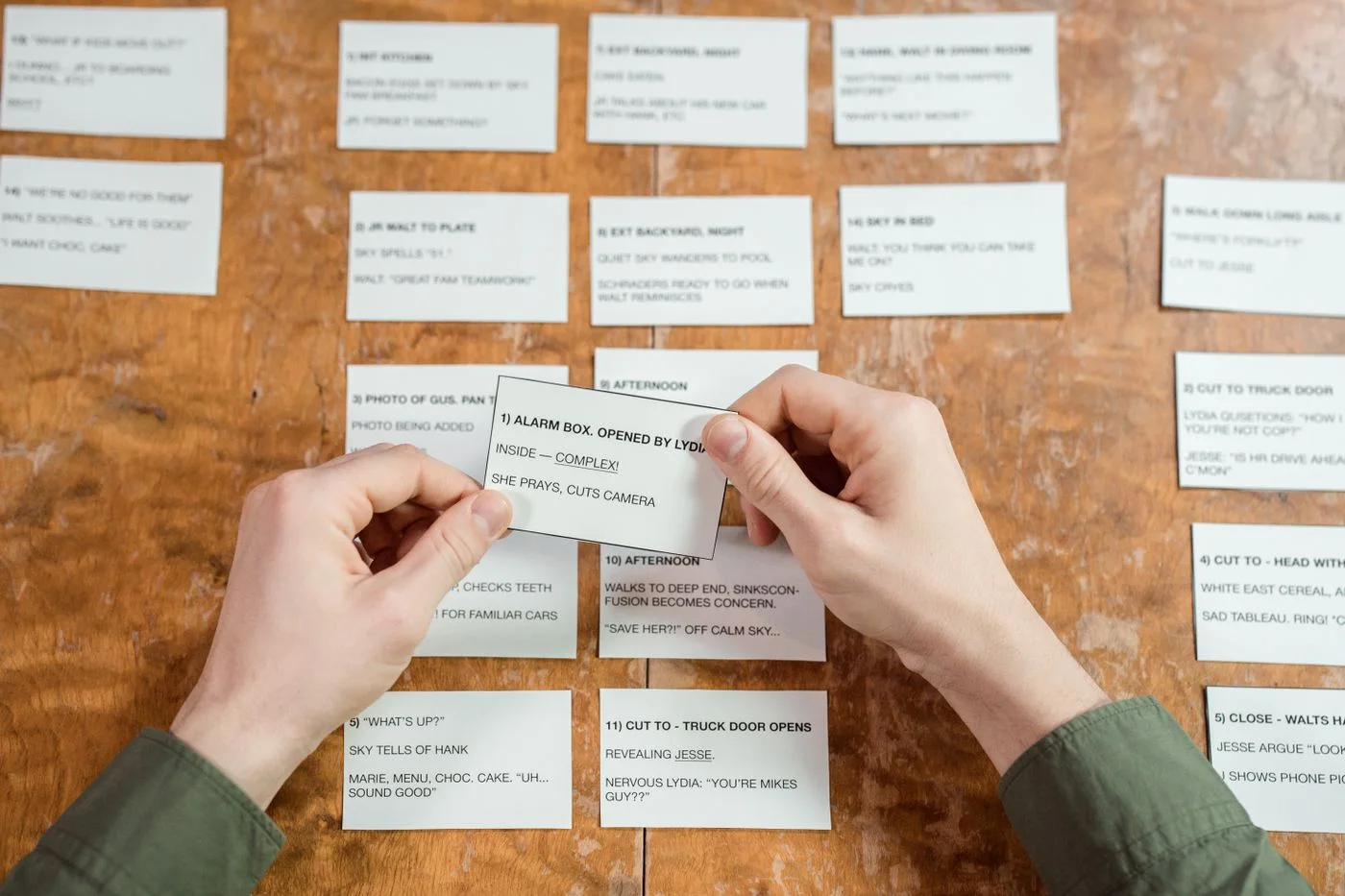
Choosing between an original series and its remake is not always a choice between the same experience in two languages. A change of place can alter a workplace hierarchy, a family's expectations or the way a joke establishes who has power. A longer run can also let a supporting character become central. The useful starting point is what you want from the series, followed by how each version organizes that experience.
Begin with the version you can describe specifically
A recommendation such as the original is better gives you a verdict without a reason. Ask what the recommender values: a sharper sense of discomfort, a quieter performance, a shorter story, or a particular social setting. The answer may point toward your own preference, or reveal that you want something different. Neither outcome requires turning the conversation into a defence of an entire country's television.
The British and American versions of The Office make the distinction easy to discuss without recounting their plots. The BBC's programme centres on David Brent and the Slough branch; the American version develops its own workplace ensemble. For a prospective viewer, the relevant question is how much awkwardness, familiarity and ongoing company the comedy offers, rather than which version can claim the earliest date.
A familiar cultural setting may make some social signals easier to recognise. An unfamiliar one may be part of the attraction. Try to notice whether you are missing essential context or simply encountering a different manner of speaking and behaving. Those experiences can feel similar during the opening minutes, but they need not lead to the same decision about continuing.
Compare a complete scene rather than isolated jokes
Short clips can make two versions look identical if they preserve the same conspicuous line. A complete scene reveals more: how long an uncomfortable pause lasts, whether the camera seeks a reaction, and whose discomfort is allowed to end the exchange. These choices determine whether you feel invited to laugh with someone, at them, or at the structure trapping everyone together.
When both versions use a similar early situation, look at what surrounds the shared beat. Does another character challenge the speaker? Does a cut offer relief? Is the setting busy enough to disperse attention, or does the scene leave one person exposed? You do not need technical terminology to compare these effects. Describing what you noticed is already more useful than counting retained dialogue.
Avoid judging an entire remake solely by how closely its first episode resembles the original. An opening may establish a recognizable premise before later episodes expand in another direction. At the same time, you are not obliged to continue if the style itself is unappealing. A fair comparison allows the possibility of development without demanding an unlimited trial period.
Think about length and closure before choosing an order
If one version is substantially shorter, it may suit a contained viewing project. A longer version may offer the continuing companionship of an ensemble you can revisit for many evenings. Length alone does not tell you which is more disciplined or more rewarding. It tells you what sort of place the programme can occupy in your routine.
Watching the original first can help you recognise the remake's departures. Watching the remake first can let you encounter its characters without constantly predicting an earlier version's next move. There is no automatic obligation to reproduce production history in your viewing order. If your purpose is comparative study, chronology is a useful method; if your purpose is choosing tonight's comedy, immediate appeal can be enough.
Be cautious with comparison articles before finishing either version. They may discuss whether a later relationship, reveal or ending was retained. Even a statement that the remake changes the culprit can alter how you approach a mystery. Look for premise-level comparisons, or save detailed discussions until you have seen the amount of story they assume.
Let each version earn a separate description
After trying a version, describe one thing it does effectively in its own terms. That might be a persuasive workplace, an appealing partnership or a distinctive rhythm of silence. Then describe one limitation without using the other programme as the only standard. This keeps comparison connected to the actual viewing experience rather than reducing it to a list of deviations.
You may end up preferring different aspects of each. One can have a more striking opening while the other supplies the characters you most want to revisit. That mixed response is not indecision. It is a more precise account of what the shared premise makes possible in different hands, and it can guide your next choice better than a single winner.