A series does not need shouted orders or a restaurant setting to offer what makes The Bear absorbing. It needs work that matters to the characters, different ideas of excellence, and people whose emotional habits interfere with getting through the day. These follow-ups offer three versions of that collision. One stays in hospitality; the others make creative collaboration feel just as demanding.
Boiling Point: stay close to the service pass
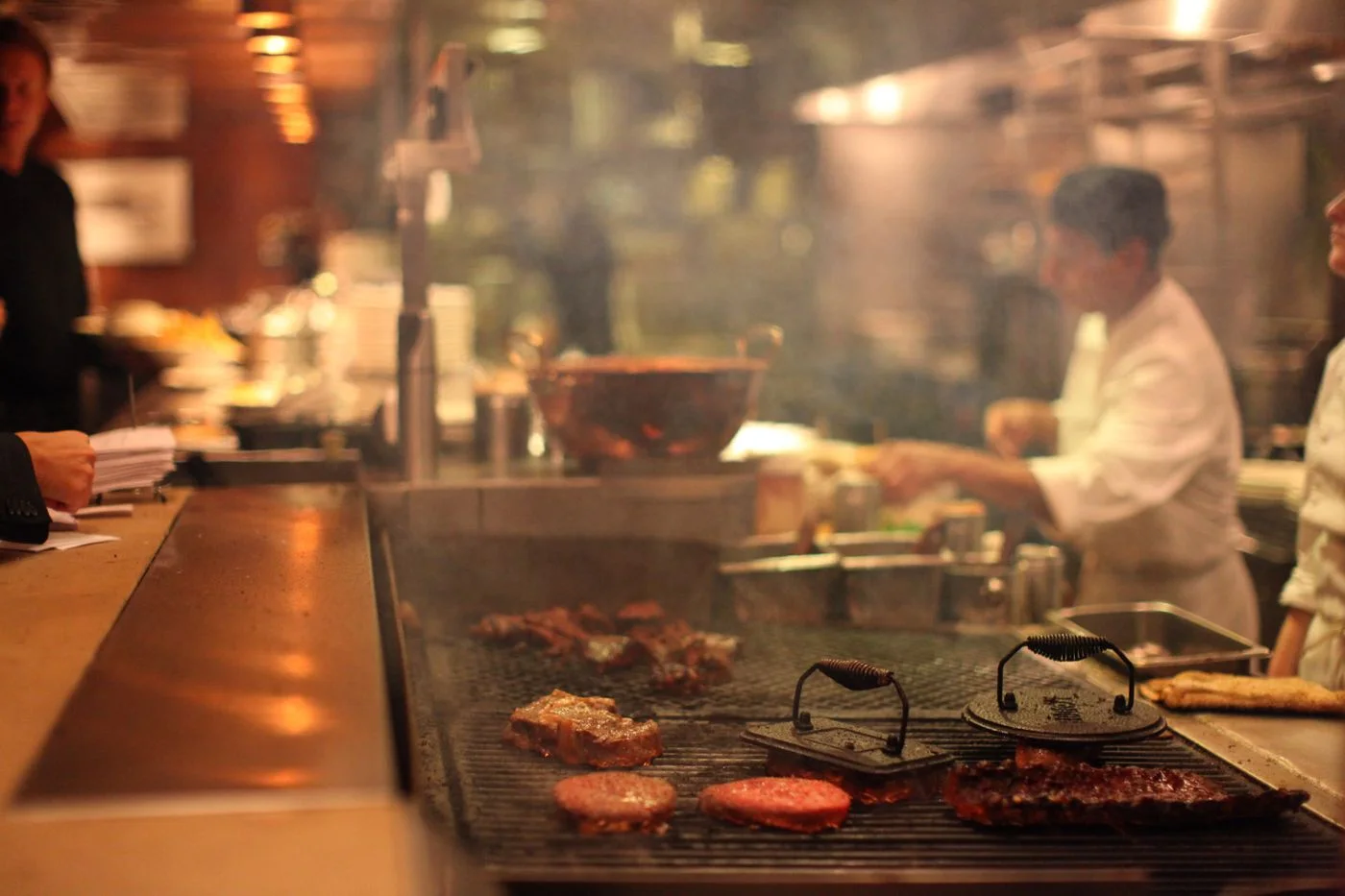
The television version of Boiling Point follows Carly as head chef at a new restaurant. A kitchen gives the drama a concrete shared task: food has to reach customers, regardless of what the people preparing it are carrying into work. That combination of visible craft and invisible strain makes it the closest setting-based match.
Watch how authority travels through instructions and corrections. Someone can be technically right and still damage the room; someone else can steady a shift through an apparently small intervention. Compared with The Bear's broader movement between family history, ambition, and reinvention, Boiling Point keeps the immediate workplace especially prominent. It suits an appetite for service pressure and the question of whether a team can make its standards sustainable.
Hacks: the creative argument is the work
Hacks pairs established comedian Deborah Vance with younger writer Ava Daniels. The shared project is comedy, but the two do not arrive with the same assumptions about audiences, professional survival, or what an honest joke costs. Their disagreement is therefore productive as well as personal.
If you liked The Bear because a critique of a dish could become an argument about respect, Hacks offers a related pleasure. An edit or performance decision can reveal who expects to be listened to. Its comic rhythm gives those collisions more room to become entertaining before they become painful. Choose it for the push and pull of mentorship, particularly when neither participant can simply be assigned the role of correct teacher or grateful student.
Halt and Catch Fire: build something together, imperfectly
Halt and Catch Fire begins in the early personal-computer industry and develops its interest in the people trying to create a future they cannot yet fully describe. The craft is less immediately legible than a plated meal, but the central difficulty is familiar: a vision needs other people's labor, judgment, and willingness to stay.
Its pace is more patient than a restaurant rush. That patience lets changing partnerships become the attraction. Watch it if your favorite Bear scenes concern who gets credit, who makes room for another person's talent, and whether a professional identity can change. The reward is an ensemble whose attempts to collaborate matter at least as much as the product they hope to finish.
Boiling Point preserves the kitchen's urgency. Hacks sharpens the creative argument. Halt and Catch Fire stretches collaboration across a longer horizon. The most useful match depends on whether you want the next shift, the next exchange, or the next reinvention.